History of the establishment and development of the pediatric spine and joint pathology clinic.
Development of Paediatric Orthopaedics at the Sytenko Institute of Spine and Joint Pathology National Academy of Medical Sciences of Ukraine.
The Institute, established 100 years ago in response to society’s demand for the rehabilitation of those injured at work, has adhered to this principle throughout the subsequent decades of its work, focusing its efforts on addressing issues related to musculoskeletal health arising in society.
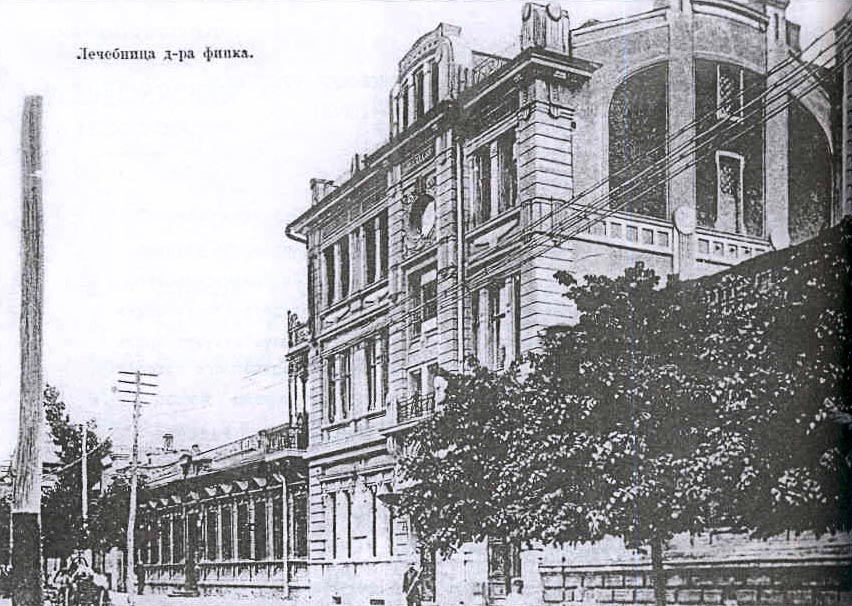
Thus, after World War I, the revolution, and the civil war, there arose a need for the rehabilitation of a large number of patients with musculoskeletal system disorders on a broader scale, and the Institute undertook the organisation of orthopaedic and trauma care, initially in the supervised region and later nationwide.
In the Institute’s work on providing assistance to children, several periods can be distinguished: 1. Before the establishment of a department and independent consultations; 2. Pre-war (before the Great Patriotic War); 3. Post-war years.
The Institute was tasked with improving care not only for adults but also for children, who were consulted and treated alongside adults. The accumulated experience in treating disabled children revealed numerous peculiarities in managing paediatric patients and the necessity of establishing an independent paediatric outpatient service (1926-1927), followed by a dedicated paediatric department (1930) [1, 2, 18, 19, 20].
During the second period, the team of doctors and researchers working in the department and at the outpatient clinic (M. I. Sytenko, V. D. Chaklin, N. P. Novachenko, A. V. Taft, V. O. Marks, F. E. Elyashberg, P. P. Sova, N. V. Sedykina, E. Ya. Goncharova, and others) accumulated experience in studying the peculiarities of pathology, diagnostics, disease progression, and injuries in childhood, refining methods of conservative and surgical treatment.
Thus, methods for conservative treatment of torticollis (E. Ya. Goncharova, 1939 [2]), Perthes disease (N. P. Novachenko, 1934) [3], congenital dislocation (P. P. Sova, 1935) [4], spinal disorders [5, 6, 7, 17], congenital hip dislocation [4, 8], osteoarticular tuberculosis [9], diagnostic issues [10], continuous traction [11], plaster techniques [12], functional treatment [13], and neonatal care [14, 15, 16] were developed. Techniques for traction (skeletal, adhesive, cuff) and the application of plaster casts were refined. Special recognition is due to the plaster technique of leading specialists: A. F. Altukhov, V. I. Stolyarov, M. P. Sychev, V. I. Fisun, L. G. Schmidt, G. T. Strizhkova, and N. D. Melnyk, who continues to uphold and develop the esteemed traditions and culture of plaster casting, still working in the paediatric department.
Understanding that knowledge of the number and category of patients was crucial for organising care for disabled children, under the leadership of M. I. Sytenko, a systematic examination of all newborns in maternity hospitals in Kharkiv was conducted between 1926 and 1929 by the department and outpatient clinic staff.
This important and highly beneficial initiative made it possible to determine the frequency of various congenital pathologies and injuries in newborns and led to the revision and refinement of both old treatment methods for congenital deformities and birth injuries, as well as the creation of new and improved ones (Sytenko splint for congenital hip dislocation in newborns, abduction splint for upper limbs in cases of brachial plexus injury, etc.).
This work by the Institute’s researchers (M. I. Sytenko, V. O. Marks, N. V. Sedykina, F. E. Elyashberg, N. N. Baturina, N. D. Matskevych, V. G. Chetaeva, P. P. Sova, and others [1, 2, 18, 19]) formed the foundation for the establishment of a specialised paediatric orthopaedic dispensary at the Institute (1931), followed by others in cities across Ukraine and Russia.
A special meeting on musculoskeletal diseases and injuries in newborns, held at the Institute in 1939, demonstrated the exceptional effectiveness of the country’s paediatric orthopaedic dispensaries [20]. After the Institute returned to Kharkiv in early 1943 (third period), the paediatric department was also restored, initially supervised by N. P. Novachenko, V. O. Marks, and F. E. Elyashberg, with E. Ya. Goncharova taking charge from 1947 to 1967, followed by V. F. Trubnikov (1960-1962), V. Ye. Vlasenko (1967-1972), and S. D. Shevchenko (1973-2006).
In the post-war years, pathologies related to the consequences of war were widespread: post-traumatic disabilities, tuberculosis, osteomyelitis, untreated congenital deformities, and the after-effects of poliomyelitis.
The Institute’s pre-war developments formed the basis for organising and providing care for those who were immobilised or unable to stand (“crawlers,” “hand-walkers”). However, many issues required significant effort to resolve.
In the field of paediatric orthopaedics and traumatology, the following issues were addressed step by step and in parallel at different times in the second half of the 20th century:
- Disorders of the musculoskeletal system in patients after poliomyelitis;
- Osteoarticular tuberculosis;
- Congenital and acquired limb deformities;
- Pathologies of the hip joint (congenital hip dislocation, pathological hip dislocation, coxa vara, epiphysiolysis of the femoral head, etc.);
- Tumours and dysplastic bone processes;
- Bone defect replacement (auto-, allo-, hetero- (ceramo-)plasty);
- Spinal pathologies;
- Traumatic injuries in children;
- Orthotic and prosthetic treatment in children.
The listed problems were addressed in each period thanks to the institute’s school led by Mykhailo Sytenko. Incidentally, his ideas remain relevant today. The Sytenko school in the second half of the 20th century in the institute’s paediatric orthopaedics was associated with the names of: N.P. Novachenko, V.S. Kostrykov, F.E. Yelyashberg, E.A. Al, Yu.Yu. Kolontai, E.Ya. Honcharova, N.D. Matskevych, V.D. Chetaeva, N.S. Bondarenko, A.A. Korzh, V.E. Vlasenko, N.A. Korzh, S.D. Shevchenko, who continued the traditions of their mentors.
In the issue of osteoarticular tuberculosis, as in solving other problems, the institute focused on two directions: organisational and clinical. The organisational aspect involved creating a network of bone tuberculosis sanatoriums (restoring the Crimean and Odesa resort bases and establishing regional ones) as rehabilitation centres [21, 22]. In the major sanatoriums of Yevpatoria, Odesa, Kharkiv, etc., operating rooms were established where institute staff (including those from the paediatric department) implemented newly developed and improved surgical methods, tested new drugs [23], and developed active radical focal surgery aimed at preserving joint function (N.P. Novachenko [24], E.Ya. Honcharova [23], A.A. Korzh [24], L.V. Shevchenko). The developments of that time are still used in the treatment of children with bone tuberculosis.
Impairment of the musculoskeletal system in patients after poliomyelitis, which hindered their mobility, was addressed through biomechanical laboratory studies in both children and adults. This issue was the focus of research by L.P. Mykolaiev [25], O.V. Nedryhailova [26], B.A. Pohrebniak [27], H.Kh. Hruntovskyi [28], I.A. Oleksandrova [29], V.F. Prozorovskyi [31], V.H. Ryndenko [30], N.V. Serdyuchenko [32], D.O. Yaremenko [33, 34].
Congenital and acquired deformities of the lower limbs: insufficient prevention of rickets in the 1970s led to the development of static limb deformities, necessitating the development of effective surgical techniques for their correction. These issues were addressed in the department through improved surgical osteotomies (S.V. Tatarenko [35]) and the introduction of the Ilizarov method (S.D. Shevchenko, N.A. Korzh [36, 37]).
The method of external fixation and correction has continued to evolve (up to the present day), particularly through the replacement of wires with rods (for the first time in the world in children), which improved the technique for various tibial pathologies [38], A.K. Popsuishapka [39]), femoral conditions (S.A. Khmyzov [40, 41], S.D. Shevchenko [37, 39]), as well as for other limb segments, the spine, and the pelvis (S.D. Shevchenko, S.O. Khmyzov [40, 42], O.I. Korolkov [43], V.V. Skrebtsov [44], A.A. Tikhonenko [45], I.M. Harbuzniak [45]). This significantly reduced the incidence of purulent complications, especially in the femur, and provided patients with greater freedom of movement.
Pathology of the hip joint remains a key focus of the institute and department. From the early stages of studying this problem, the principle of early diagnosis and early treatment has been implemented. This principle was justified based on the analysis of congenital hip dislocation treatment [46, 47, 50]. The widely used closed reduction method by Lorenz in the first half of the 20th century did not satisfy either doctors or patients, as it was applied to neglected cases with severe hip joint damage [48], necessitating surgical treatment [49]. In the second half of the last century, early surgical treatment became the standard for this category of patients, combining not only femoral head reduction but also correction of deviations in the bones forming the hip joint through various osteotomies of both the femur and the pelvic bones.
These included the modification of the Lanz-Sytenko operation, the Gruz and Zahradnychenko operation, and their modifications [49, 51, 52, 53]. A particularly challenging issue was hip dislocations in adolescents. Unsatisfactory results after simultaneous reduction in cases of spatial and volumetric mismatch [54] led to the proposal of skeletal traction for preparing soft tissues for surgery or initial traction reduction followed by extra-articular correction of the underdeveloped “roof” and femoral osteotomy [55, 56]. For these cases, O.O. Korzh proposed an operation: supra-acetabular reconstruction using a massive allograft [57]. This procedure was further refined by Z.M. Miteleva [58, 59].

Diagram of acetabular reconstruction according to Korzh-Miteleva.
Expanding indications for primary surgical treatment of hip joint pathology, considering its severity, significantly improved treatment outcomes (V.E. Vlasenko [65], Z.M. Miteleva [61], T.V. Spiliotina [62]).
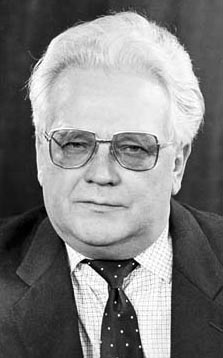
Academician O.O. Korzh

Academician O.O. Korzh performing surgery
До 1973 року в дитячій клініці розроблялися такі наукові напрями: вроджений вивих стегна, артрографія, раннє оперативне лікування з 3 років, відхід від методу Лоренца-Зєлєніна до витягнення “overhead”, поєднання внутрішньо- та позасуглобових операцій (V.E. Vlasenko), консервативне й оперативне лікування клишоногості (S.S. Berenstein [63]), подовження кінцівок за методом Ілізарова, початок хірургічного лікування сколіозу, що відображає напрям наукової діяльності інституту.
Окрім вродженого вивиху стегна, дослідження співробітників відділення були спрямовані на лікування патологічного вивиху стегна (N.P. Novachenko, N.D. Matskevych, H.L. Dolia [52, 64, 66, 67]), хвороби Пертеса (A.L. Lymyn, P.P. Sova [68, 4]), варусної деформації шийки стегнової кістки (E.Ya. Honcharova, N.N. Tarasenko [69], A.I. Korolkov et al. [70], A.B. Hromov [132]), юнацького епіфізеолізу голівки стегнової кістки (A.A. Korzh, Yu.H. Polozov, S.D. Shevchenko [71, 72, 73], Yu.V. Shkatula [74]), вивиху стегна у хворих на ДЦП (S.D. Shevchenko, O.I. Korolkov, M.I. Liutkevych [126, 127]).
Пухлини та пухлиноподібні захворювання, зокрема диспластичні ураження кісток, вивчалися в загальній проблематиці інституту з урахуванням особливостей дитячого віку. Особливу увагу приділяли питанням кістозних уражень кісток (остеобластокластома, екзостозна хондродисплазія, аневризмальна кіста кістки тощо). Уперше з цієї групи була виділена дистрофічна кіста кістки (N.P. Novachenko, A.A. Korzh, L.V. Kulman-Rudchenko [75, 76, 77, 78, 79, 80]), також вивчалися особливості обміну речовин при пухлинах кісток (A.P. Skoblyn, A.M. Belous, S.D. Shevchenko [80, 81, 82]).
Одночасно вирішувалися питання заміщення дефектів кісток кістковими ало- (гомо-) трансплантатами (N.P. Novachenko [86], A.A. Korzh, R.R. Talashynskyi [83], N.A. Korzh [84], S.D. Shevchenko [85], A.A. Korzh [87], N.I. Kulish [88]). За розробку цих проблем директор Інституту O.O. Korzh був удостоєний Державної премії СРСР. Коли виникли труднощі з використанням ало- (гомо-) трансплантатів, в інституті та дитячій клініці розпочалися дослідження нових матеріалів для заміщення дефектів: вуглецю (A.V. Rolyc) [89], кераміки (Korzh A.A., Bakhaa K.) [53, 90]. Пошуки й дослідження тривають.
Патологія хребта (деформації, спондилолістез, пухлини). Велика частина цієї проблеми була зосереджена на сколіотичній хворобі, оскільки ця патологія супроводжується деформацією хребта й грудної клітки, що змінює взаєморозташування частин тіла пацієнта та розташування органів грудної й черевної порожнин, тобто страждає весь організм. Дослідження цієї проблеми як наукового напряму розпочалося у 1968 році. Базу для цього заклали N.P. Novachenko, O.O. Korzh, A.P. Skoblin, V.A. Liashenko, A.E. Tsukreman. Куратором проблеми сколіозу був призначений S.D. Shevchenko.
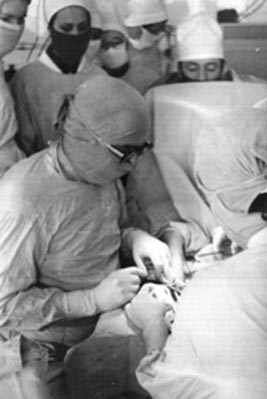
Оперує проф. S.D. Shevchenko


Приклад використання «зростаючої» конструкції при лікуванні сколіозу IV ступеня у дитини 11 років.
Until the 1970s, treatment was mainly conservative, including regimen moments and measures aimed at strengthening muscle tone and supporting the torso in a balanced state (A.A. Korzh [91], B.I. Shkurov [17], P.P. Sova [6], A.E. Tsukerman [7]). Surgical treatment was generally performed in cases of severe deformity and aimed at slowing down or halting the progression of the deformity.
Since the 1970s, the surgical method of treatment has been more widely applied in the institute. This was facilitated by comprehensive studies on the impact of deformation on metabolic processes (V.P. Babенко [92], S.H. Kaminska [93], T.A. Yermak [94]), the peculiarities of anesthesiological support (S.O. Kudimov [95]), and the development of new treatment methods: reconstruction of the thoracic cage in scoliosis (O.O. Korzh, S.D. Shevchenko [96]). However, the problem of achieving correction of the deformation and maintaining it in the postoperative period remained. We took up the suggestion of Harrington (USA), who proposed an acceptable and quite reliable construction. Considering the “Cold War” situation, we had to develop a similar design independently and, for the first time in the USSR, apply this method in clinical practice, and then widely implement it across the Soviet Union (S.D. Shevchenko [97]). The work on improving the distractor continues to this day [98, 99], and in 2001, the world’s first “growing” construction was developed [100], which was recognized as the best invention of Ukraine in 2001. The development of the surgical method of treating scoliotic deformities was supported by the works of A.V. Demchenko [101], T.A. Yermak [94], A.A. Mezentseva [102], S.S. Serdyuk [103], S.D. Shevchenko [104], Khmyzov A.O. [128], M.I. Voloshin [129].
Parallel to the development of surgical treatment of scoliosis, conservative treatment methods were also improved. After surveying schoolchildren in the schools of Kharkiv and some districts of the region, the need for inpatient care for children with posture disorders and scoliosis was identified (Y.A. Berdashkevich, G.P. Itskova, N.D. Matskevich, L.V. Kulman, N.D. Ivanyts, G.M. Sokil, N.N. Tarasenko, D.A. Yaremenko, T.V. Bezzvesilna, B.I. Simenach, N. Polivoda, A.Z. Pushkina [105]). The question arose about the organization of specialized boarding schools since the number of orthopedic and trauma sanatoriums was insufficient. At the initiative of the institute’s leadership (O.O. Korzh, S.D. Shevchenko), in 1969, a specialized sanatorium school for children with scoliosis was established in Kharkiv, which continues to operate today, being a base for the institute and its departments [106]. In the complex of conservative scoliosis treatment, the institute’s clinic is an active supporter of using corsets (A.E. Tsukerman [7], A.A. Korzh [91, 108], D.O. Chekryzhev [107]), using one of the most advanced methods, Sheno’s (“Ortospine”), and holds a “certificate” from the author. The corset manufacturing method was transferred to all prosthetic enterprises in the country.
In 1964, the institute’s profile was partially changed. The institute was also tasked with addressing the problem of prosthetics and prosthetic construction in Ukraine.
The formation of the institute as a prosthetics, orthopedics, and trauma institution coincided with the passing of Prof. N.P. Novachenko and the arrival of a young doctor of sciences, Professor of the Department of Orthopedics and Traumatology, UIVV, O.O. Korzh, to manage the institute.
To carry out the institute’s new tasks, it was necessary to form personnel and build a material base. This task, initiated by N.P. Novachenko, was completed by O.O. Korzh. Clinical and laboratory buildings were constructed (on Hudanova Street). To address the challenges of preparing and performing complex prosthetics for children, in 1965, a department for children’s prosthetics was created (PhD N.N. Lobunets, head until 1972, from 1973 – S.D. Shevchenko), with 20 beds. Doctors working in the department, S.V. Tatarenko, Z.M. Miteleva, S.D. Shevchenko, provided assistance not only to children with acquired and congenital deformities, limb defects but also with post-traumatic and burn contractures of joints, limbs, and hands (M.V. Andruson, A.P. Sukhomlinov [109, 110]).
For the first time in Ukraine, the Ilizarov method was applied in the department for the correction and lengthening of the shinbone in cases of congenital shortening (M.O. Korzh, S.D. Shevchenko, Z.M. Miteleva [36, 37]). Z.M. Miteleva and R.E. Naroditskaya [111] improved the Voskoboynikova prosthetic apparatus. V.B. Tarshis [112] developed a contact sleeve for the femur in children. O.K. Popsuishapka [113] worked on the issue of lengthening short stumps in children and express prosthetics.
The department closely collaborated with laboratories for upper and lower limb prosthetics, biomechanics, biochemistry, pathomorphology, and pathophysiology, as well as the laboratory of new materials. Thus, for scoliosis patients, in collaboration with the biomechanics laboratory, corsets [91] were developed; with the new materials laboratory – immobilization bandages (I.B. Tymchenko, Y.I. Zhvavo [114, 115]), corundum ceramics, orthoses for limb and torso fixation.
The department operated until 1975 when the prosthetics department was transferred from the institute to the UNIIETIN in Kharkiv. By that time, candidate dissertations on pediatric prosthetics and apparatus therapy had been prepared and defended by S.V. Tatarenko [35], V.B. Tarshis [112], A.K. Popsuishapka, V.G. Petrov [130], I.M. Chernyshova [131].
The issues of pediatric traumatology were a focus of study throughout the institute’s existence: clavicle fractures (V.G. Chetayeva [14]), brachial plexus injuries in newborns (Y.Y. Kolontai [116]), femur fractures and epiphyseal fractures in newborns (N.D. Matskevich [15]), elbow joint fractures and fracture-dislocations (N.S. Bondarenko [117], A.A. Korzh, V.S. Kostrikov [118]), traumatic epiphyseal fractures of long tubular bones (V.S. Kostrikov [119]), heterotopic, post-traumatic ossifications (O.O. Korzh [120, 121]), long bone fractures (femur) in children (F.Ye. Yelyashberg [16, 122]), pronation dislocation of the radial head (A.V. Zenchenco [123]), bone and joint injuries (O.O. Korzh, N.S. Bondarenko [124]).
In the 1970s, an original system of continuous skeletal traction was developed in the pediatric department for treating fractures and orthopedic diseases of the musculoskeletal system in children. The use of skeletal traction in children required the reconstruction of equipment and the creation of special tools. Children’s clamps for the elbow process for traction in humeral fractures (Altukhov-Korzh clamp), children’s clamps for the femur, and a pelvic fixer for movement development in the hip joint were designed (V.S. Orekhov, E.Ya. Goncharova).
In 1972, a pediatric trauma department was organized on the same floor as the pediatric orthopedics department. Along with improving existing treatment methods (closed reduction and fixation with a plaster bandage, skeletal traction), rod apparatuses for long bone fractures were developed and implemented (S.O. Khmyzov [40]), which increased the turnover of beds and improved functional outcomes, reducing the number of purulent complications that occurred when using pins. These studies resulted in a doctoral dissertation by S.O. Khmyzov [42].
All the work of the institute on pediatric orthopedics and traumatology was aimed not only at developing new research methods but also at training personnel. This was facilitated by the fact that the institute was the base for the “Orthopedics and Traumatology” department at KhMAPO (UIVV). Pediatric orthopedics and traumatology became an independent specialty and continues to develop further [125].
Since 2006, the department of orthopedics for children has been headed by Prof. S.O. Khmyzov, who replaced S.D. Shevchenko, who managed the clinic for 33 years.

Prof. S.D. Shevchenko

Prof. S.O. Khmyzov
Khmizov S.O. continues the traditions of the department in developing fundamental problems in pediatric orthopedics: hip joint pathology (Korolkov O.I., Khmizov S.O., Skrebtsov V.V.), spine (Mezentsev A.O., Petrenko D.Ye.), tumors (Shevchenko S.D., Baiiv V.V., Rudchenko L.V.), use of external fixation devices (Khmizov S.O., Tikhonenko A.A., Korolkov O.I., Harbuznyak I.M. et al.).
Along with research, educational, and practical tasks, a significant place in the pediatric department has always been devoted to the upbringing, education, and recreation of sick children. It is necessary to mention the exceptional love, tenderness, and attention towards sick children that was constantly shown by Prof. M.I. Sytenko, N.P. Novachenko, and O.O. Korzh. They were true enthusiasts in the field of organizing specialized medical care for children and constant inspirers of the department’s medical staff in the search for new, more advanced methods of diagnosis, prevention, treatment, and care for the sick. This particularly heartfelt, caring attitude towards sick children is still preserved by the department staff as one of its best traditions.
Today, the clinic’s staff continues the best traditions of the “Sytenko school,” providing all types of surgical and conservative treatment for orthopedic diseases and injuries in children from all regions of Ukraine. When treating scoliosis, modern multi-segment devices developed at the institute are used, including those that “grow” (doctoral dissertation by A.O. Mezentsev “Surgical Treatment of Scoliosis Deformities of the Spine,” 2009). The experience of using these devices is unique worldwide.
As a result of the comprehensive work “Development and Implementation of Advanced Surgical Technologies in Spine Diseases and Injuries,” Prof. M.O. Korzh, Prof. V.O. Radchenko, Prof. G.Kh. Gruntovskyi, DMSc A.O. Mezentsev were awarded the State Prize of Ukraine in Science and Technology in 2008.

The team of authors-scientists who were laureates of the State Prize of Ukraine in 2008.
Representatives of the Kharkiv school of orthopedic-traumatologists have developed, implemented, and improved diagnostic and treatment principles for various pathologies of the musculoskeletal system in children. Currently, these principles are being creatively developed and refined in the following directions:
- Development and application of various types of conservative treatments for different musculoskeletal diseases and injuries (orthoses, Sheno-type corsets, etc., devices for automatic joint movement development in upper and lower limbs, plaster casts, etc.);
- Diagnosis and treatment of various spinal pathologies – scoliosis, spondylolisthesis, inflammatory and traumatic diseases. The institute is the only one in Ukraine to use multi-segmental constructions developed within its walls to treat scoliosis, including the unique “growing” construction that straightens the curved spine while allowing it to grow. Lightweight Sheno corsets and the institute’s own design for treating spondylolisthesis are also used for spinal diseases;
- Diagnosis and treatment of congenital hip dislocation and various types of hip dysplasia (varus deformity of the femoral neck, juvenile epiphysiolysis of the femoral head, etc.), including in children with cerebral palsy in older age groups. The institute performs all types of surgical interventions on the pelvic and femoral components, including authorial methods – triple pelvic osteotomy, Chiari, Pemberton, Salter, Dega, and others (doctoral dissertation by O.I. Korolkov “Recurrences of Congenital Hip Dislocation and Subluxation in Children,” 2011). External fixation devices based on the pelvis-femur system are used to unload the hip joint;
- Diagnosis and treatment of various types of clubfoot (including recurrences) and other foot pathologies. In younger children – using I. Ponsetti’s method with custom-designed braces;
- Diagnosis and differential treatment of various limb development anomalies, osteochondropathies, including Perthes’ disease;
- Modern minimally invasive interventions for deformities and shortening of lower limb segments – performing hemiepiphysiodesis and temporary epiphysiodesis, etc.;
- Surgical treatment of chest deformities, primarily funnel chest according to Nass and pigeon chest, as well as their conservative treatment in the younger age group;
- Compensation for limb shortening of various etiologies using original rod-based devices and correction of limb deformities;
- Comprehensive diagnosis and treatment of systemic hereditary pathology (unique laboratory research complex), rachitic diseases manifesting in the musculoskeletal system;
- Diagnosis and organ-preserving and reconstructive surgeries for tumors and bone dysplasias; individual and modular joint replacement;
- Treatment of various knee joint pathologies, including patellar dysplasia and dislocations, with original methods of surgical treatment developed and applied;
- Diagnosis and various treatments for musculoskeletal trauma consequences, tendinous-muscular and skin plastic surgeries;
- Hand and forearm pathology: complex types of syndactyly and other anomalies, post-traumatic defects, etc.;
- Modern methodologies developed and implemented in practice, now used in leading clinics worldwide. Dozens of patents and author’s certificates have been obtained.

The staff of the pediatric orthopedics department
Since 2015, the head of the Department of Pediatric Orthopedics is PhD Baiev V.V. Currently, the clinic employs orthopedic doctors: DMSc Khmyzov S.O., DMSc Korolkov O.I., DMSc Mezentsev A.O., PhD Baiev V.V., Kikos G.V., Pashenko A.V., Rakhman P.M., Demchenko D.A., PhD Demchenko A.V., Katsalap E.S., PhD Harbuznyak I.M., and pediatrician: Kolesnichenko Yu.E.

The team of middle and junior medical staff of the Department of Pediatric Orthopedics
The clinic provides all types of surgical and conservative treatment for orthopedic diseases and injuries at the highest European and global levels.
For the treatment of limb deformities of all localizations, as well as severe spinal deformities, high congenital hip dislocations, and other complex clinical situations, various types of custom-made external fixation devices have been developed and are used. Monolateral mounting systems are used for limb segments, with the ability to perform controlled spatial correction of all components of the deformity.
Patients from all regions of Ukraine and abroad are treated in the department.
Currently, 11 doctoral dissertations (Kostrykov V.S., Bondarenko N.S., Andruson M.Y., Korzh A.A., Goncharova E.Y., Vlasenko V.Y., Miteleva Z.M., Shevchenko S.D., Mezentsev A.A., Khmyzov S.A., Korolkov A.I.) and 42 candidate dissertations (Gromov A.B., Rolik A.V., Liutkevich N.I., Ker El Din Baha, Petrov V.G., Martiuk V.I., Tikhonenko A.A., Chernyshova I.N., Skrebtsov V.V., Babienko V.P., Harbuznyak I.N., Kudimov S.S., Ershov D.V., Khmyzov A.A., Shurovsky A.M., Shkatula Y.V., Limin A.L., Pukhacheva S.S., Prochan M.V., Serdyuchenko N.V., Chekryzhev D.O., Prozorovsky V.F., Sukhomlinov A.Y., Tatarenko S.V., Tarshis V.B., Voloshin N.I., Popsuishapka A.K., Barkov A.A., Kulman L.V., Ryndenko V.G., Miteleva Z.M., Ermak T.A., Polozov Yu.G., Khmyzov S.A., Mofazzalul Khok, Berenshtein S.S., Kaminskaya S.G., Mezentsev A.A., Korolkov A.I., Serdyuk S.V., Demchenko A.V., Baev V.V., Liutkevich M.I.) have been defended based on the department.
We conclude our article dedicated to the history and development of pediatric orthopedics and traumatology of the Kharkiv school of pediatric orthopedic traumatologists with the words of the prominent orthopedic traumatologist – Professor M.I. Sytenko: “We look with great enthusiasm at the future of our specialty, we are full of confidence in its further progress…”.
Used Literature.
- Marks V.O. Organization of the fight against child mutilation conducted by the Ukrainian Research Institute of Orthopedics and Traumatology named after Prof. M.I. Sytenko / In: Scientific IV Annual Session of the Institute named after Turner // Abstracts of reports.-L., 1957.-P.8-10.
- 50 years of scientific, medical, and organizational-methodological activities of the Ukrainian Research Institute of Orthopedics and Traumatology named after Prof. M.I. Sytenko / Edited by corresponding member of the USSR Academy of Medical Sciences, Dr. Sci., Prof. N.P. Novachenko.-Kyiv: Zdorovya, 1964.-104 p.
- Novachenko N.P. Perthe’s disease of the femoral head and the acetabulum // Orthopedics and Traumatology.-1934.-No. 6.-P.45-60.
- Sova P.P. Some long-term observations on changes in the femoral head and acetabulum after reduction of congenital hip dislocations // Orthopedics and Traumatology.-1935.-No. 6.-P.106-111.
- Sytenko M.I. Case of spondylolisthesis of the 4th lumbar vertebra // Orthopedics and Traumatology.-1929.-No. 1-2.-P.97-98.
- Sova P.P. Clinical manifestations and treatment of scoliosis in children of early age // Orthopedics and Traumatology.-1939.-No. 6.-P.107-111.
- Tsukerman A.E. A new corset for the treatment of severe forms of scoliosis // Orthopedics and Traumatology.-1935.-No. 5.-P.213-215.
- Sytenko M.I. Osteoplastic reconstruction of the acetabular roof // Orthopedics and Traumatology.-1936.-No. 6.-P.7-13.
- Sedykina N.V. Methodology for identifying early forms of bone-joint tuberculosis in infected children of nursery age / In: Methodology and practice of early detection of tuberculosis in adults and children.-1938.-P.127-136.
- Marks V.O. Study of patients with injuries and diseases of the musculoskeletal organs / Edited by Honored Science Worker Prof. M.I. Sytenko.-Kyiv: State Medical Publishing House of the Ukrainian SSR, 1940.-195 p.
- Novachenko N.P., Elyashberg F.E. Constant traction. Methodology and technique.-Kyiv: State Medical Publishing House of the Ukrainian SSR, 1940.-238 p.
- Pogorelsky M.A. Gypsum technique.-Kyiv: State Medical Publishing House of the Ukrainian SSR, 1940.-284 p.
- Prikhodko A.K. Functional treatment of musculoskeletal injuries and diseases (methodology).-State Medical Publishing House of the Ukrainian SSR, 1940.-247 p.
- Chetaeva V.G. Mechanogenesis and prevention of clavicle fractures in newborns // Methodical letter Kharkiv Scientific Research Institute of Prosthetics, Orthopedics and Traumatology named after Prof. M.I. Sytenko.-Kharkiv, 1960.-9 p.
- Matskevich N.D. Treatment of birth fractures and epiphysiolysis of the femur in newborns // Methodical letter Kharkiv Scientific Research Institute of Prosthetics, Orthopedics and Traumatology named after Prof. M.I. Sytenko.-Kharkiv, 1960.-18 p.
- Elyashberg F.E. Treatment of fractures of limb bones in children // Proceedings of the interregional conference of traumatologists and orthopedists of Left-Bank Ukraine.-Luhansk, 1962.-P.106-111.
- Shkurov B.I. Scoliosis and its treatment // Proceedings of the 2nd All-Union Congress of Traumatologists-Orthopedists.-M., 1965.-P.298.
- Marks V.O. Preliminary data on the prevalence of mutilation in Ukraine and the draft law “On the Fight Against Childhood Disability”.-Orthopedics, Traumatology and Prosthetics.-1930.-No. 3-4.-P.138-142.
- Sytenko M.I. Tasks and ways of combating mutilation and disability // Medical Practice.-1930, No. 14-16.-P.12.
- Chetaeva V.G., Matskevich N.D. Children’s Orthopedic Preventive Clinic. 50 years of scientific, medical, and organizational-methodological activities of the Ukrainian Research Institute of Orthopedics and Traumatology named after Prof. M.I. Sytenko.-Kyiv, 1964.-P.80.
- Matskevich N.D. Treatment of birth fractures and epiphyseal injuries of the femur in newborns // Methodological letter of the Kharkiv Research Institute of Prosthetics, Orthopedics, and Traumatology named after Prof. M.I. Sytenko. – Kharkiv, 1960. – 18 p.
- Elyashberg F.E. Treatment of limb bone fractures in children // Proceedings of the interregional conference of traumatologists and orthopedists of Left-Bank Ukraine. – Luhansk, 1962. – P.106-111.
- Shkurov B.I. Scoliosis and its treatment // Proceedings of the 2nd All-Union Congress of Traumatologists and Orthopedists. – Moscow, 1965. – P.298.
- Marks V.O. Preliminary data on the spread of disability in Ukraine and the draft law “On combating childhood disability” // Orthopedics, Traumatology, and Prosthetics. – 1930. – No. 3-4. – P.138-142.
- Sytenko M.I. Tasks and ways of fighting disability and injuries // Medical practice. – 1930, No. 14-16. – P.12.
- Chetayeva V.G., Matskevich N.D. Children’s orthopedic prophylactic center. 50 years of scientific, therapeutic, and organizational-methodological activities of the Ukrainian Scientific Research Institute of Orthopedics and Traumatology named after Prof. M.I. Sytenko. – Kyiv, 1964. – P.80.
- Korzh A.A., Pomerański L.I. The role of the Evpatoria resort in treating musculoskeletal diseases in children // Materials of the regional conference on pediatric orthopedics and prosthetics. – Evpatoria, 1969. – P.7-9.
- Korzh A.A., Shevchenko S.D., Elyashberg F.E. The role of sanatoriums in treating orthopedic-traumatological patients of adolescent age // Scientific-methodical foundations for determining indications for sanatorium-spa treatment of adolescents. – Kharkiv, 1970. – P.88-90.
- Goncharova E.Ya. Surgical treatment of tuberculosis coxitis in children // Dissertation for Doctor of Medical Sciences. – Kharkiv, 1961. – 695 p.
- Novachenko N.P., Korzh A.A. Surgery of bone-joint tuberculosis. – Kyiv: Zdorov’ya, 1967. – 150 p.
- Nikolaev L.P. Guide to Biomechanics in Orthopaedics, Traumatology, and Prosthetics. – Kyiv: GMU USSR, 1950. – Part 1, Part 2. – 307 pages.
- Nedrigailova O.V. Fundamentals of Biomechanics of the Musculoskeletal System in Health and Pathology // Multi-volume Guide to Orthopaedics and Traumatology. – Moscow, 1967. – Vol. 1, pp. 169-220.
- Pogrebnyak B.A. Biomechanical Justification and Results of Treatment of Patients with Severe Forms of Lesions After Poliomyelitis // Restoration Treatment in Paralytic Diseases in Children. – Moscow, 1966. – Issue 2. – pp. 140-148.
- Gruntovsky G.Kh. Biomechanical Justification and Results of Stabilising Operations on the Hip Joint in Patients with Poliomyelitis Sequelae // Dissertation…PhD in Medical Sciences. – Kharkiv, 1974. – 176 pages.
- Alexandrova I.A. Surgical Treatment of Paralytic Calcaneal Foot (Sequelae of Childhood Spinal Paralysis) // Abstract of Dissertation…PhD in Medical Sciences. – Kharkiv, 1955.
- Ryndenko V.G. Orthopaedic Support for Calcaneal Foot // Dissertation…PhD in Medical Sciences. – Kharkiv, 1967. – 333 pages.
- Prozorovsky V.F. Foot Deformities in Myelodysplasia and Their Treatment // Dissertation…PhD in Medical Sciences. – Kharkiv, 1967. – 337 pages.
- Serdyuchenko N.V. Biomechanical Justifications for the Appointment of Prosthetic-Orthopaedic Devices for Drooping Feet in Patients with Poliomyelitis Sequelae // Dissertation…PhD in Medical Sciences. – Kharkiv, 1966. – 336 pages.
- Yaremenko D.A. Age Characteristics of Foot Development in Relation to the Design of Rational Children’s Footwear // Dissertation…PhD in Medical Sciences. – Kharkiv, 1967. – 364 pages.
- Yaremenko D.A. Clinical and Biochemical Justification for Medical Procedures in Static Foot Deformations // Dissertation…Doctor of Medical Sciences. – Kharkiv, 1978. – 570 pages.
- Tatarenko S.V. Clinical and Biomechanical Characteristics and Treatment of Patients with Lateral Deformities of the Knee Joint // Dissertation…PhD in Medical Sciences. – Kharkiv, 1969. – 298 pages.
- Korzh N.A., Shevchenko S.D. Distraction Method in the Treatment of Congenital Deformities of the Lower Limbs in Children. – Orthopaedics, Traumatology, and Prosthetics. – Kyiv, 1977. – Issue 7. – pp. 59-62.
- Shevchenko S.D., Korzh N.A., Miteleva Z.M. Bloodless Correction of Congenital and Acquired Deformities of the Lower Limbs in Children // Materials of the VII Congress of Traumatologists-Orthopaedists of the USSR. – Kyiv, 1977. – pp. 118-120.
- Khok M. Correction of Deformities and Leg Lengthening in Children and Adolescents Using External Fixation Compression-Distraction Apparatuses // Abstract of Dissertation…PhD in Medical Sciences. – Kharkiv, 1990. – 18 pages.
- Shevchenko S.D., Popsuyshapka A.K., Korzh N.A. Lengthening of Short Residual Stumps of the Lower Leg by Distraction Method // New in Prosthetics for Children. – Moscow, 1978. – Issue 2. – pp. 10-11.
- Khmyzov S.A. Lengthening and Correction of Thigh Deformations in Children and Adolescents with Compression-Distraction Apparatuses Based on Rods // Abstract of Dissertation…PhD in Medical Sciences. – Kyiv, 1993. – 17 pages.
- Khmyzov S.A., Shevchenko S.D., Lygun L.N. External Fixation Apparatus. Patent No. 1670837, 1991.
- Khmyzov S.O. Controlled Osteosynthesis with Rod Systems in Paediatric Traumatology and Orthopaedics // Abstract of Dissertation…Doctor of Medical Sciences. – Kharkiv, 2004. – 36 pages.
- Declaratory Patent No. 63587 UA. Device for Surgical Treatment of the Hip Joint // Skrebtsov V.V., Khmyzov S.O., Korolkov O.I.; 2004. – Bulletin No. 1. – pp. 8.
- Declaratory Patent No. 69704 UA. Method for Reconstruction of the Hip Socket in Congenital Dislocation and Subluxation of the Hip and the Device for Its Implementation // Khmyzov S.O., Skrebtsov V.V., Lygun L.M.; Published 15.09.04. – Bulletin No. 9. – 8 pages.
- Khmyzov S.A., Skrebtsov V.V., Tikhonenko A.A. Analysis of the results of using external fixation rod apparatus in pediatric orthopedics and traumatology practice // Orthopedics, Traumatology, and Prosthetics.-2004.-No. 1.-P.30-36.
- Harbuznyak I.N. “Effectiveness of combined surgical treatment of children with congenital torticollis” candidate dissertation abstract. – Kharkiv, 2015, – 20 p.
- Matzkevich N.D., Chetaeva V.G. Treatment of congenital dislocation in newborns // Proceedings of the Kharkiv Scientific Medical Society.-Kharkiv, 1959.-Vol.15.-P.95-100.
- Chetaeva V.G., Matzkevich N.D. Diagnosis and treatment of congenital hip dislocation in newborns and children in the first months of life // Methodical letter of the Kharkiv Research Institute of Prosthetics, Orthopedics, and Traumatology named after Prof. M.I. Sytenko.-Kharkiv.-1961.-20 p.
- Novachenko N.P. Our experience in treating congenital hip dislocation // Acta chir.orthop.et traum.-Czechoslovakia, 1959.-No. 5-6.-P.452-457.
- Novachenko N.P. The current state of the issue of congenital hip dislocation // Materials of the 5th Congress of Orthopedic Traumatologists of the Ukrainian SSR.-Kyiv, 1966.-P.73-77.
- Marks V.O. Diagnosis and treatment of congenital hip dislocations in newborns // Orthopedics, Traumatology, and Prosthetics.-1934.-No. 3.-P.3-14.
- Maistreko A.K. Clinical and biomechanical features of patients with long-standing congenital hip dislocation // Candidate Medical Sciences Dissertation.-Kharkiv, 1962.-371 p.
- Novachenko N.P. Pathology of the hip joint and its treatment // Proceedings of the I All-Union Congress of Traumatologists and Orthopedists.-Moscow, 1965.-P.101-112.
- Baha K.E.-D. Ceramoplasty of the supracoxal area in hip dislocation and subluxation in children and adolescents // Candidate Medical Sciences Dissertation Abstract.-Kharkiv, 1994.-15 p.
- Korolkov O.I. Post-reposition hyperpression syndrome in congenital hip dislocation // Candidate Medical Sciences Dissertation Abstract.-Kharkiv, 1999.-20 p.
- Goncharova E.Ya. Simultaneous reduction of bilateral congenital hip dislocation in overgrown children // Materials of the 5th Congress of Orthopedic Traumatologists of the Ukrainian SSR.-Kyiv, 1966.-P.168-169.
- Method of treating deformations of the proximal part of the femur. Patent A.s. 825035 // Sukikh V.L., Spiliotina T.V., Shevchenko S.D.-Invention Bulletin.-1981.-No. 16.
- Method of restoring the acetabular cavity of the hip joint using homotransplants. Patent A.s. 266141 // Korzh A.A.-Invention Bulletin.-1970.-No. 11.-P. 82.
- Miteleva Z.M. Reconstruction of the supracetabular area in congenital subluxation of the hip // Candidate Medical Sciences Dissertation.-Kharkiv, 1972.-239 p.
- Patent A.s. № 266142. Method of surgery for reconstruction of the supraacetabular area in congenital subluxation or dislocation of the hip / Korzh A.A., Miteleva Z.M.-B.I., 1970, No. 11, p.83.
- Vlasenko V.E. Surgical treatment of severe forms of deforming coxarthrosis // Doctoral Medical Sciences Dissertation.-Kharkiv, 1969.-607 p.
- Miteleva Z.M. Clinical and biomechanical justification of surgical prevention and treatment of dysplastic coxarthrosis // Candidate Medical Sciences Dissertation Abstract.-Kyiv, 1990.-39 p.
- Spiliotina T.V. Indications and methods of surgical treatment of congenital hip dislocation in preschool children // Candidate Medical Sciences Dissertation.-Kharkiv, 1982.-212 p.
- Berenstein S.S. Congenital Clubfoot (Some Issues of Pathogenesis, Clinical Features, and Treatment) // Abstract of PhD Thesis in Medical Sciences. – Kharkiv, 1995. – 23 pages.
- Matskevich N.D. Pathological Hip Dislocations After Infantile Coxitis and Some Methods of Their Treatment // PhD Thesis in Medical Sciences. – Kharkiv, 1966. – 514 pages.
- Vlasenko V.E., Cherkashina T.T. Indications for Open Reduction of Congenital Hip Dislocation in Children and Features of This Procedure // Orthopaedics, Traumatology and Prosthetics. – Kyiv, 1974. – Vol. 4. – Pp. 147-149.
- Shevchenko S.D., Dolya G.L. Surgical Treatment of Pathological Hip Dislocation in Children and Adolescents // Methodical Recommendations. – Kharkiv, 1992. – 17 pages.
- Method of Reconstruction of the Proximal Femur. Patent No. 1623632 // Shevchenko S.D., Dolya G.L. – Bulletin of Discoveries and Inventions. – 1998. – No. 4.
- Limin A.L. Clinical, Radiological, and Morphological Characteristics of Changes in the Femoral Neck in Legg-Calvé-Perthes Disease // PhD Thesis in Medical Sciences. – Odesa, 1973. – 197 pages.
- Goncharova E.Y., Tarasenko N.N. Long-Term Results of Surgical Treatment of Varus Deformation of the Femoral Neck in Children // Orthopaedics. – Kyiv, 1966. – Pp. 48-53.
- Patent Decl. No. 7977. Distraction Element of the Greater Trochanter of the Femur // Korolkov O.I., Shevchenko S.D., Miteleva Z.M. et al. – 2005.
- Polozov Yu.G. Reconstruction of the Proximal Femur in the Treatment of Adolescent Epiphysiolysis // Abstract of PhD Thesis in Medical Sciences. – Kharkiv, 1985. – 15 pages.
- Method of Treatment of Adolescent Epiphysiolysis of the Femoral Head Patent No. 1131499 // Korzh A.A., Polozov Yu.G., Shevchenko S.D. – Bulletin of Inventions. – 1984. – No. 48.
- Method of Determining Torsional Deformations of the Proximal Femur Patent No. 1171028 // Polozov Yu.G., Shevchenko S.D. – Bulletin of Inventions. – 1965. – No. 29.
- Shkatula Yu.V. Adolescent Epiphysiolysis of the Femoral Head. Issues of Etiology, Pathogenesis, Diagnosis, and Treatment // Abstract of PhD Thesis in Medical Sciences. – Kharkiv, 2005. – 20 pages.
- Korzh A.A., Moiseyeva K.N., Pankov E.Ya. et al. Comprehensive Treatment of Bone Tumors. – Kyiv: Zdorovya, 1979. – 224 pages.
- Korzh A.A., Moiseyeva K.N. Fibrous Dysplasia of Bones. – Kyiv: Zdorovya, 1971. – 123 pages.
- Kulman L.V. Cystic Lesions of Long Bones in Children // PhD Thesis in Medical Sciences. – Kharkiv, 1979. – 211 pages.
- Novachenko N.P. On the Growth of Bones in Children Operated for Bone Tumors // Orthopaedics, Traumatology and Prosthetics. – 1962. – No. 10. – Pp. 3-7.
- Chetaeva V.G. On the Issue of So-Called Self-Healing of Bone Cysts Due to Pathological Fractures // Orthopaedics, Traumatology and Prosthetics. – 1960. – No. 9. – Pp. 30-33.
- Ivchenko V.K., Shevchenko S.D., Frolov V.M. et al. Bone Cysts in Children: Clinical-Immunological Characteristics and Treatment. – Luhansk, 1993. – 202 pages.
- Skoblin A.P., Belous A.M. Trace Elements in Bone Tissue. – Moscow: Medicine, 1968. – 232 pages.
- Shevchenko S.D. The Content of Some Trace Elements in Bone Tumors of Humans and Animals // Abstract of PhD Thesis in Medical Sciences. – Kyiv, 1967. – 18 pages.
- Korzh A.A., Talishinsky R.R. Homoplasty in the Treatment of Bone Tumors. – Kyiv: Zdorovya, 1973. – 165 pages.
- Korzh N.A. Analysis of Some Methods of Joining Large Bone Homografts with the Recipient Bone // PhD Thesis in Medical Sciences. – Kharkiv, 1974. – 252 pages.
- Shevchenko S.D. Homoplasty in the Total Destruction of the Iliac Wing by Osteoblastoclastoma // Orthopaedics, Traumatology and Prosthetics. – 1965. – No. 3. – Pp. 59-60.
- Novachenko N.P. The Use of Preserved Homografts in Replacing Large Defects of Bones and Joints // Questions of Experimental and Clinical Surgery. – Kyiv, 1967. – Pp. 261-269.
- Korzh A.A., Moiseeva K.N., Pankov E.Ya. et al. Comprehensive treatment of bone tumors. – Kyiv: Zdorov’ya, 1979. – 224 p.
- Kulysh N.I. Radical-saving and reconstructive operations in the pelvic region // Doctoral dissertation in medical sciences. – Kharkiv, 1976. – 403 p.
- Rolik A.V. Replacement of bone cavities and defects with carbon implants in experiments and clinic // Candidate’s dissertation in medical sciences. – Kharkiv, 1987. – 19 p.
- Patent Ukraine No. 21666 A. Composite for filling bone defects and disorders // Korzh O.O., Dedukh N.V., Shevchenko S.D. et al. – 1998.
- Patent No. 429811. Corrective corset apparatus / Korzh A.A., Pogrebnyak B.A., Naroditskaya R.E., Bondarenko A.M. – B.I., 1974, No. 20, p. 13.
- Babenkov V.P. External respiration and some hemodynamic indicators in the early postoperative period in orthopedic patients // Candidate’s dissertation in medical sciences. – Kharkiv, 1972. – 254 p.
- Kaminskaya S.G. The effect of surgical treatment of scoliosis on the state of microcirculation and adaptive reactions in children and adolescents // Candidate’s dissertation in medical sciences. – Kharkiv, 1988. – 21 p.
- Yermak T.A. Osteopenic syndrome in children with idiopathic scoliosis // Candidate’s dissertation in medical sciences. – Kharkiv, 2001. – 20 p.
- Kudimov S.A. et al. Some features of anesthesiological support during surgical treatment of scoliosis // Orthopedics, Traumatology and Prosthetics. – 2002. – No. 1. – P. 46-50.
- Patent No. 357969. Method of posterior spondylodesis with simultaneous thoracic cage reconstruction / Korzh A.A., Shevchenko S.D. – B.I., 1972, No. 34, p. 17.
- Shevchenko S.D. The use of the Harrington fixer in the treatment of scoliosis // Orthopedics, Traumatology and Prosthetics. – 1978. – No. 12. – P. 66-68.
- Device for spinal correction. Patent No. 735248 // Shevchenko S.D., Lygun L.N. – Bulletin of Inventions. – 1980. – No. 19.
- Device for treating spinal deformities. Patent No. 1454432 // Korzh A.A., Shevchenko S.D., Mikhaylov S.R. et al. – Bulletin of Inventions. – 1989. – No. 4.
- Patent Ukraine No. 37992 A. Device for surgical correction of scoliotic spinal deformities // Mezentsev A.O. – Bulletin No. 4. – 2001.
- Demchenko O.V. Disorders of spinal balance in the pathogenesis of dysplastic scoliosis and its surgical correction // Candidate’s dissertation in medical sciences. – Kyiv, 2005. – 19 p.
- Mezentsev A.O. Surgical treatment of severe forms of scoliosis deformity // Candidate’s dissertation in medical sciences. – Kharkiv, 2000. – 20 p.
- Serdyuk S.S. Surgical prevention of progression of lumbar and thoracolumbar scoliosis // Candidate’s dissertation in medical sciences. – Kharkiv, 1999. – 20 p.
- Shevchenko S.D. Surgical correction of the spine and thoracic cage in severe forms of scoliosis // Doctoral dissertation in medical sciences. – Moscow, 1983. – 30 p.
- Berdashkevich Y.A. et al. The work of the Kharkiv Institute named after Prof. M.I. Sytenko on the organization of a specialized school for children with scoliosis // Proceedings of the regional conference on children’s orthopedics and prosthetics. – Yevpatoria, 1969. – P. 75-76.
- Shevchenko S.D., Bozhko S.A., Bezvesilna H.V., Z.T. Bereziuk. 30 years of experience in treating scoliosis patients in a specialized school // Proceedings of the XIII Congress of Orthopedic Traumatologists of Ukraine. – Donetsk, 2001. – P. 242-244.
- Chekryzhev D.O. Results of using corrective corsets in the conservative treatment of idiopathic and dysplastic scoliosis in children and adolescents // Orthopedics, Traumatology and Prosthetics. – 2006. – No. 2. – P. 85-89.
- Korzh A.A., Spiliotina T.V., Shevchenko S.D., Yermak T.A. The role of corset therapy in the conservative treatment of scoliosis // Orthopedics, Traumatology and Prosthetics. – 2003. – No. 1. – P. 162-165.
- Andruson M.V. Free skin grafting in the surgical treatment of scar deformities of the hand // Doctoral dissertation in medical sciences. – Kharkiv, 1969. – 472 p.
- Sukhomlinov A.Ya. Surgical treatment of patients with contractures of major joints of the limbs // Candidate’s dissertation in medical sciences. – Kharkiv, 1969. – 336 p.
- Miteleva Z.M., Naroditskaya R.E. Apparatus therapy in patients with congenital underdevelopment of the proximal femur // Orthopedics, Traumatology and Prosthetics. – Kyiv. – Vol. 7. – P. 104-107.
- Tarshis V.B. Skeletonized receiving cavity of the hip prosthesis and its influence on the clinical and physiological state of the stump // Candidate’s dissertation in medical sciences. – Kharkiv, 1971. – 264 p.
- Tarshis V.B., Popsyushapka A.K. Method and set for express prosthetics in children // Informational letter. – Kharkiv, 1979. – 7 p.
- Boiko Y.I., Shevchenko S.D., Suvorova V.V., Spiliotina T.V. Plastic splints for fixation of the lower limbs // Instruction. – Kharkiv, 1978. – 10 p.
- Patent No. 665909. Method for manufacturing an immobilising bandage / Boiko Y.I., Holnik Z.Ya., Raetsky I.N. et al. – B.I., 1979, No. 21, pp. 19–20.
- Kolontay Y.Yu. Injuries of the brachial plexus in newborns // Abstract of PhD thesis in Medical Sciences. – Kharkiv, 1959. – 12 p.
- Bondarenko N.S. Fractures and fracture–dislocations in the elbow joint region in children // Abstract of Doctoral dissertation in Medical Sciences. – Kharkiv, 1974. – 320 p.
- Korzh O.O., Kostrikov V.S. Injuries of the elbow joint and the main principles of their treatment. – Kyiv: Derzhmedvydav, 1962. – 203 p.
- Kostrikov V.S. Traumatic epiphysiolyses of long tubular bones and the main principles of their treatment // Abstract of Doctoral dissertation in Medical Sciences. – Kharkiv, 1972. – 394 p.
- Korzh A.A. Heterotopic, post-traumatic ossifications // Abstract of Doctoral dissertation in Medical Sciences. – Kharkiv, 1961. – 635 p.
- Korzh A.A. Heterotopic, traumatic ossifications. – Moscow: Medgiz, 1963. – 268 p.
- Elyashberg F.E., Zintchenko A.V. Results of treatment of femoral fractures in children // Proceedings of the 18th Scientific Conference of the Ukrainian Research Institute of Orthopaedics and Traumatology named after Prof. M.I. Sytenko. – Kharkiv, 1962. – pp. 116–119. Valuyskaia E.P. Prosthetics for children with congenital clubfoot // Materials of the 5th Congress of Traumatologists and Orthopaedists of the Ukrainian SSR. – Kyiv, 1966. – pp. 283–284.
- Zenchchenko A.V. Mechanogenesis and clinical features of pronation dislocation of the radial head in childhood // Abstract of PhD thesis in Medical Sciences. – Kharkiv, 1954. – 13 p.
- Korzh A.A., Bondarenko N.S. Injuries of bones and joints in children. – Kharkiv, 1994. – 252 p.
- Pediatric Orthopaedics: A textbook for intern doctors / M.I. Khvysiuk, S.D. Shevchenko, I.B. Zelenetsky et al. – Kharkiv: Krokus, 2004. – 171 p.
- Lyutkevych M.I. “Surgical prevention and treatment of hip subluxation and dislocation in children with cerebral palsy.” Abstract of Candidate dissertation in Medical Sciences. – Kharkiv, 2015. – 22 p.
- Korolkov O.I., Shevchenko S.D., Lyutkevych M.I. “Current issues in the orthopaedic treatment of children with cerebral palsy”, Chronicles of Traumatology and Orthopaedics, 2009, No. 1–2, pp. 104–108.
- Khmyzov O.O. “Optimisation of the tactics of infusion–transfusion therapy for blood loss during surgical treatment of severe spinal deformities in adolescents”, Abstract of Candidate dissertation in Medical Sciences. – Kharkiv, 2011. – 20 p.
- Voloshyn M.I. “Justification for the choice of analgesia method in the surgical treatment of scoliosis deformity of the spine”, Abstract of Candidate dissertation in Medical Sciences. – Kharkiv, 2014. – 22 p.
- Petrov V.G. “Medical rehabilitation and prosthetic–orthopaedic provision for children with clubfoot of the lower limbs”, Abstract of Candidate dissertation in Medical Sciences. – Kharkiv, 2009. – 20 p.
- Chernysheva I.M. “Justification for the use of a reciprocating orthosis in the rehabilitation of children with impaired weight-bearing and gait”, Abstract of Candidate dissertation in Medical Sciences. – Kharkiv, 2016. – 20 p.
- Gromov A.B. “Correction of deformities of the greater trochanter in the surgical treatment of hip joint pathology in children”, Abstract of Candidate dissertation in Medical Sciences. – Kharkiv, 2016. – 20 p.